
In tech circles, Apple is considered more than a tech brand. It is an institution on its own that perfectly balances mass appeal and out-of-the-box thinking. Though things have changed under the leadership of Tim Cook, the core philosophy set by the late Steve Jobs remains the same. A company which is closely watched by Wall Street and consumers alike, Apple has had a successful year despite facing challenges from external forces, including the pandemic and increased pressure from regulators. While the world has already started speculating what products to expect from the Cupertino giant next year and beyond, we observed certain things this year that not only tell us about Apple’s product strategies, but also give a peek into the company’s vision of the future.
The world of mini devices
Someone within Apple deeply cares about the ‘mini’ products and wants the company to address a niche segment that still wants to use devices with small-form factors. The message that often gets misunderstood is that these products are made simply because a cash-rich company like Apple can take risks and does not care much about the commercial prospects. That’s not how Apple functions. Designing a product like the iPhone 13 mini is more complicated, because you know the tight space makes it hard to fit a larger battery and yet the priority is to deliver battery life that lasts all day long.
For instance, the new iPad mini may look like a miniature version of the iPad Air but the way the mini has been designed gives a precursor to a product that could end up being a foldable device in the near future. In their current form, both the iPhone 13 mini and iPad mini are usable devices but also highly experimental in nature. Beyond laying the groundwork for new form factors, devices like the iPhone 13 mini and iPad mini give Apple an edge over the competition as its rivals currently do not sell such devices.
Although Apple had offered ‘mini’ branded devices in the past as well, this time around the push is to have a family of products including the HomePod mini and Mac mini that serves a specific use case and users. The idea is to stay away from associating them as ‘affordable’ devices even if in some cases the product is an entry into the Apple ecosystem.
A post-Jony Ive era
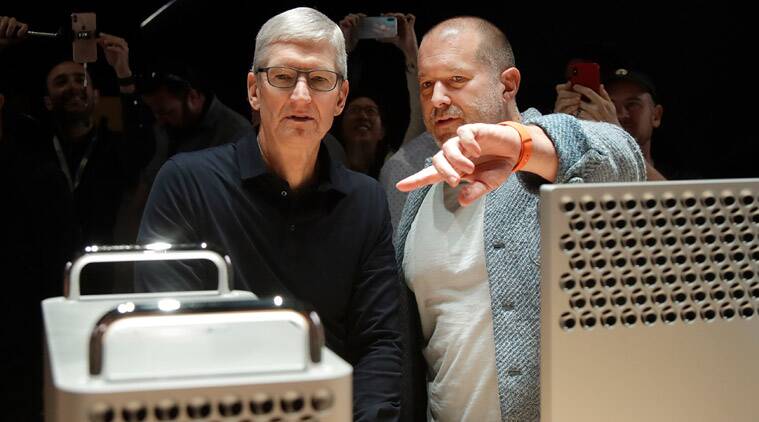
Ive leaving Apple was a big loss for the company, and it would be hard to replace the celebrated industrial designer who is behind several hit products including the iPhone and iPad that made Cupertino a household name. But the exit of Ive from Apple means the company is now more independent in thinking and can design products that are more practical in their approach. The new design philosophy is already visible in the latest MacBook Pro that fixing the issues the previous model suffered from.
For example, the new MacBook Pro includes an HDMI port which is exactly what photographers wanted on a professional-level notebook but Ive’s emphasis on form over function made it impossible to have that feature on the last-generation notebook. The new MacBook Pro is thicker and heavier, but has gained functionalities appreciated by the users. Several new products launched by Apple throughout the year, including the redesigned Siri remote for Apple TV and iPhone 13 shows that the form has taken a back seat and the priority is given to functionality.




More Stories
Voyager Customers Say No to Employee ‘Retention’ Bonus Bid
Amazon Great Freedom Festival: Amazon sale top deals on Alexa devices for all Amazon users
Realme GT Neo 3 Review: Is 150W Fast Charging Enough To Attract Buyers?